Constipation is a common digestive issue that affects millions of people worldwide. It can cause discomfort, bloating, abdominal pain, and a general feeling of sluggish digestion. While occasional constipation is normal, frequent digestive irregularity often signals that the body may not be getting enough dietary fiber, water, or physical activity.
Among the many natural remedies available, fiber supplementation is widely considered one of the safest and most effective solutions. Within the fiber category, psyllium husk powder consistently ranks among the best fibers for relieving constipation and supporting long-term digestive health.
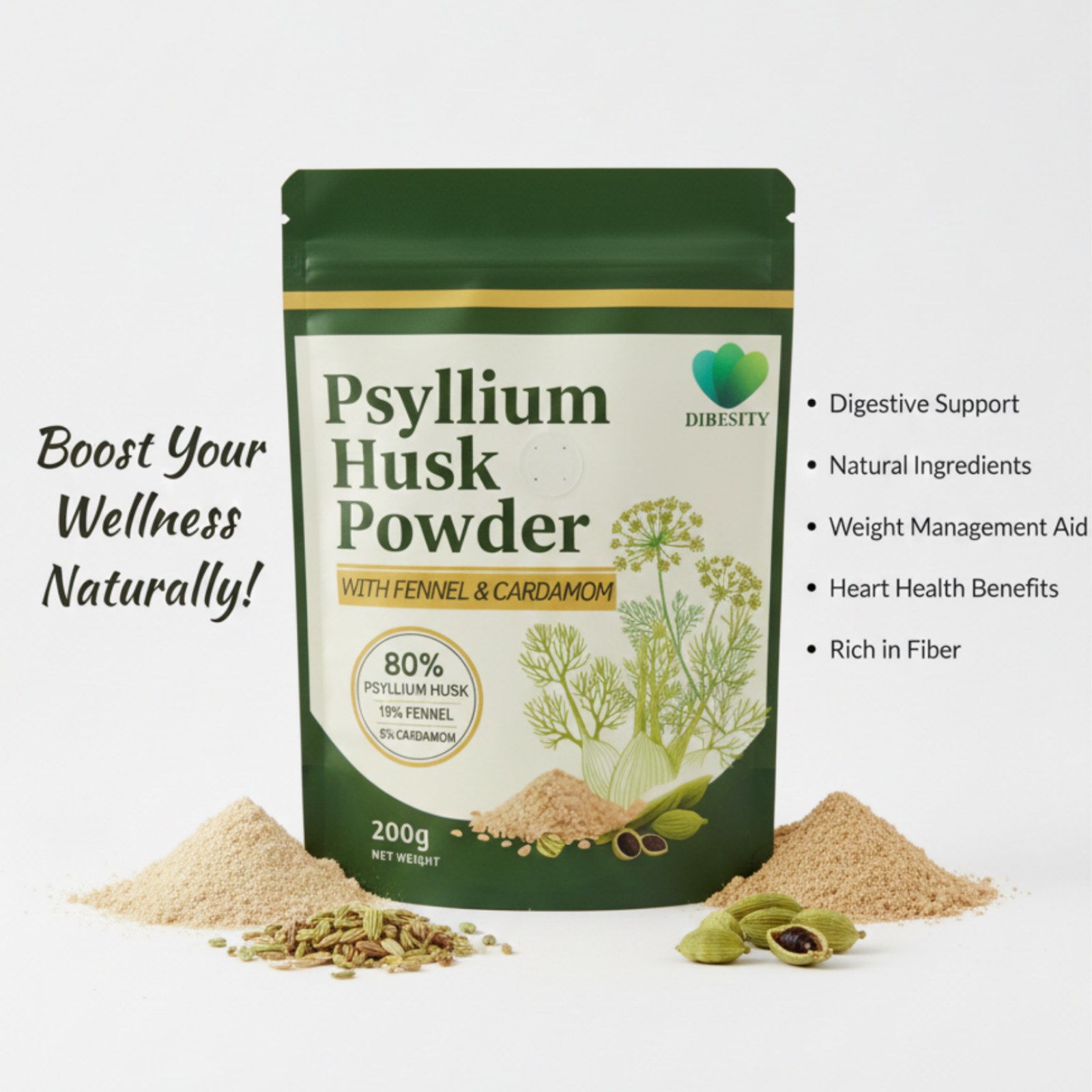
In recent years, digestive blends combining psyllium husk with fennel and cardamom have also gained attention. These traditional digestive herbs not only improve the taste of fiber drinks but may also support smoother digestion and reduce common digestive discomforts such as gas and bloating.
This guide explores why psyllium husk is considered one of the best fibers for constipation and how adding fennel and cardamom can enhance both the digestive benefits and overall experience.
Understanding Constipation
Constipation generally refers to infrequent bowel movements or difficulty passing stools. Many health professionals consider fewer than three bowel movements per week to be a sign of constipation, although symptoms can vary from person to person.
Common symptoms include:
-
Hard or dry stools
-
Straining during bowel movements
-
Feeling of incomplete bowel emptying
-
Abdominal bloating or discomfort
-
Reduced bowel movement frequency
Several lifestyle factors contribute to constipation, including:
-
Low dietary fiber intake
-
Insufficient water consumption
-
Sedentary lifestyle
-
High intake of processed foods
-
Stress and irregular eating patterns
Because fiber plays a major role in stool formation and intestinal movement, increasing fiber intake is often the first recommendation for improving bowel regularity.
Why Fiber Is Essential for Healthy Digestion
Dietary fiber is the indigestible portion of plant foods that passes through the digestive system relatively intact. Although the body cannot break down fiber completely, it plays an essential role in maintaining digestive health.
Fiber helps digestion by:
-
Increasing stool bulk
-
Absorbing water in the intestines
-
Supporting healthy gut bacteria
-
Promoting regular bowel movements
There are two main types of fiber:
Soluble Fiber
Soluble fiber dissolves in water to form a gel-like substance. This type of fiber slows digestion, supports gut health, and helps soften stools.
Insoluble Fiber
Insoluble fiber adds bulk to stool and helps food move through the digestive tract more quickly.
For constipation relief, soluble fiber that absorbs water and softens stool is particularly helpful, which is why psyllium husk stands out among fiber sources.
What Is Psyllium Husk?

Psyllium husk is derived from the seeds of the Plantago ovata plant, which is primarily grown in regions of India and surrounding areas. The outer husk of the seed contains an exceptionally high concentration of soluble fiber.
When psyllium husk powder is mixed with water, it expands and forms a gel-like substance. This gel helps retain water in the stool and increases stool volume, making bowel movements easier and more comfortable.
Because of these properties, psyllium is widely used in digestive health products and is often recommended by healthcare professionals for supporting bowel regularity.
Why Psyllium Husk Is One of the Best Fibers for Constipation
1. Helps Soften and Bulk Up Stool
One of the main reasons psyllium is effective for constipation is its ability to absorb water and expand. As the fiber swells, it creates bulk in the stool while maintaining moisture.
This combination makes stools:
-
Softer
-
Larger in volume
-
Easier to pass
By stimulating intestinal movement naturally, psyllium helps encourage regular bowel movements without the harsh effects sometimes associated with stimulant laxatives.
2. Supports Regular Bowel Movements
Bulk-forming fibers like psyllium work by gently stimulating the natural movement of the intestines, known as peristalsis.
This movement helps push stool through the digestive tract more efficiently. As a result, many people experience:
-
Improved bowel movement frequency
-
Reduced straining
-
More comfortable digestion
Because psyllium works with the body’s natural digestive processes, it is often considered a gentler and more sustainable approach to managing occasional constipation.
3. Helps Maintain Digestive Balance
Unlike some laxatives that force rapid bowel movements, psyllium helps normalize digestion.
Its ability to absorb water means it can help with both ends of the digestive spectrum:
-
It softens hard stools in constipation.
-
It absorbs excess water during loose stools.
This balancing effect makes psyllium a versatile fiber for maintaining overall digestive health.
4. Supports Gut Microbiome Health
A portion of psyllium fiber is fermented by beneficial bacteria in the colon. This process produces short-chain fatty acids, compounds that help nourish intestinal cells and support gut health.
A healthy gut microbiome contributes to:
-
Improved digestion
-
Stronger intestinal barrier function
-
Better overall digestive balance
While psyllium is not as heavily fermented as some other fibers, it still contributes to a healthier gut environment.
5. May Support Healthy Blood Sugar Levels
Soluble fiber like psyllium slows the absorption of carbohydrates in the digestive system. This can help moderate how quickly glucose enters the bloodstream after meals.
Because of this effect, psyllium is sometimes included in dietary strategies aimed at supporting healthy blood sugar balance when used as part of a balanced diet.
Why Some People Find Psyllium Hard to Enjoy
Despite its many benefits, psyllium husk has a naturally earthy taste and thick texture. When mixed with water, it quickly forms a gel-like consistency that some people find unpleasant.
For this reason, many digestive blends include natural herbs and spices that improve flavor and provide additional digestive support. Two of the most popular additions are fennel and cardamom.
Benefits of Adding Fennel to Psyllium Fiber
Fennel seeds have been used for centuries in traditional wellness systems and culinary practices as a natural digestive aid.
1. Helps Reduce Bloating and Gas
Fennel contains natural compounds that may help relax intestinal muscles. This relaxation can support smoother digestion and help reduce gas buildup.
Many cultures traditionally chew fennel seeds after meals for this reason.
2. Supports Comfortable Digestion
Fennel has long been associated with digestive comfort. Its mild, slightly sweet flavor also helps make fiber drinks more enjoyable.
3. Adds Natural Flavor
One of fennel’s most appealing characteristics is its pleasant licorice-like aroma. When combined with psyllium, fennel helps soften the earthy flavor of fiber, creating a smoother tasting blend.
Benefits of Adding Cardamom to Psyllium Fiber
Cardamom is another well-known digestive spice used in many traditional herbal preparations and cuisines.
1. Supports Digestive Enzyme Activity
Cardamom is often used in herbal traditions to support digestive processes and help the body break down food more efficiently.
2. Helps Reduce Digestive Discomfort
Cardamom’s warming properties may help relieve sensations of heaviness after meals and support comfortable digestion.
3. Improves Aroma and Taste
Cardamom has a distinctive sweet and aromatic flavor that can significantly improve the taste of fiber drinks.
When combined with fennel and psyllium, cardamom contributes to a balanced and refreshing flavor profile.
Why the Combination Works Well
When psyllium husk is combined with fennel and cardamom, the ingredients complement each other in several ways:
| Ingredient | Role in Digestive Support |
|---|---|
| Psyllium Husk | Provides soluble fiber that promotes bowel regularity |
| Fennel | Helps support digestive comfort and reduce gas |
| Cardamom | Adds aromatic flavor and supports digestive balance |
Together, they create a digestive-friendly fiber blend that supports regular bowel movements while improving taste and overall enjoyment.
How to Use Psyllium Husk Powder for Constipation
To use psyllium husk powder effectively:
-
Mix the powder with a full glass of water, juice, or a smoothie.
-
Stir well and drink immediately before the mixture thickens.
-
Follow with another glass of water.
Adequate hydration is important because psyllium absorbs liquid as it expands.
Many people find it helpful to take psyllium once or twice daily, depending on their dietary fiber intake and digestive needs.
Additional Tips to Prevent Constipation
While fiber supplementation can help, long-term digestive health often benefits from a holistic approach.
Helpful lifestyle habits include:
-
Drinking plenty of water throughout the day
-
Eating more whole fruits and vegetables
-
Including whole grains and legumes in the diet
-
Staying physically active
-
Maintaining regular meal times
Combining these habits with a reliable fiber source like psyllium can support more consistent digestive function.
Final Thoughts
When searching for the best fiber for constipation, psyllium husk powder consistently stands out due to its unique ability to absorb water, increase stool bulk, and support natural bowel movements.
Its gentle, bulk-forming action makes it a widely used fiber for improving digestive regularity without harsh stimulation.
Adding traditional digestive herbs such as fennel and cardamom can further enhance the experience by improving taste and supporting digestive comfort. These ingredients have long been valued for their aromatic qualities and their role in promoting smoother digestion.
Together, psyllium, fennel, and cardamom provide a balanced approach to supporting digestive health and maintaining regular bowel movements as part of a healthy lifestyle.